
Inside 30A’s Most Exclusive Luxury Homes & Elite Vacation Villas: Renting vs Ownership

For those who experience 30A at its highest level, this stretch of coastline is far more than a vacation destination. It’s a lifestyle defined by architectural control, walkable design, privacy, and an increasingly rare sense of place.
Over the past decade, 30A has quietly evolved into one of the most sought-after luxury coastal markets in the United States. What begins as a weeklong stay in a meticulously designed villa often turns into a deeper question, one many discerning families eventually ask:
Is it better to continue renting at the top tier, or does ownership make sense here?
The answer depends on far more than price. It comes down to how 30A works at the luxury level.
The Reality of Luxury Rentals on 30A
Luxury on 30A is not defined by size alone. At the upper end of the market, the most coveted vacation villas share a few consistent characteristics:
Prime walkability to town centers or private beach access
Architectural integrity and strict design standards
Privacy without isolation
Seamless indoor-outdoor living
Homes designed to host families across generations
Weekly rental rates for true luxury villas often range from $25,000 to well over $75,000 during peak season, particularly in communities like Alys Beach, Rosemary Beach, Seaside, and along the limited stretch of Gulf-front estates.
For many families, renting provides flexibility, the ability to experience different communities, return seasonally, and enjoy a fully serviced lifestyle without long-term commitments. It’s also how many future buyers are introduced to 30A in the first place.
What’s notable, however, is how often repeat renters begin asking deeper questions after their second or third stay.

When Renting Leads to Ownership
At a certain point, luxury renters begin to recognize a pattern.
They return to the same community year after year. They schedule trips around school calendars.
They grow familiar with beach paths, cafés, and morning routines. The house becomes more than a rental; it becomes their place, even if it isn’t technically theirs.
This is typically when ownership enters the conversation.
For those considering a long-term presence on 30A, understanding how ownership differs from renting is essential. Beyond lifestyle considerations, buyers begin evaluating factors such as:
Long-term scarcity of buildable land
Architectural control protecting future value
Zoning and rental regulations by the community
Legacy planning and generational use
Market resilience compared to other coastal destinations
For buyers beginning this process, reviewing current luxury inventory and ownership opportunities across 30A provides critical context before any decision is made:👉 30A Homes Homes For Sale
This is not about urgency; it’s about understanding what exists, what rarely becomes available, and how values are shaped at the top of the market.
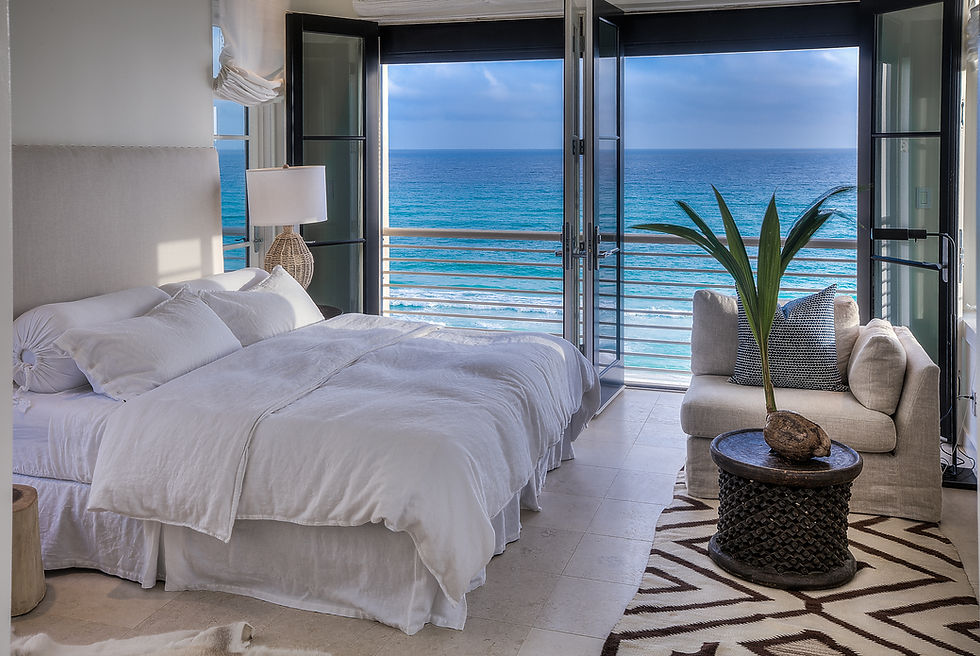
The Communities That Define 30A Luxury
While 30A spans only 24 miles, luxury experiences vary dramatically by community. Each has its own philosophy, rhythm, and long-term appeal.
Alys Beach
Defined by Bermudian-inspired architecture, strict design controls, and unmatched visual cohesion,
Alys Beach represents one of the most architecturally disciplined communities in the country. Inventory is extremely limited, and ownership here is as much about stewardship as lifestyle.
Rosemary Beach
European in scale and density, Rosemary offers walkability, dining, and a sense of village life rarely found in American beach towns. Luxury here is understated and deeply rooted in design consistency.
Seaside
The original vision for New Urbanism, Seaside, remains one of the most iconic addresses on 30A. Ownership is tightly held, and homes here are often passed down rather than sold.
WaterColor
Blending luxury with family-friendly design, WaterColor attracts buyers seeking space, amenities, and long-term livability. It remains one of the most versatile ownership options on 30A.
Gulf-Front Estates
True Gulf-front homes represent the rarest segment of the market. These are trophy assets, irreplaceable due to zoning restrictions and environmental limitations.
For a deeper understanding of how these communities compare from a long-term perspective, this guide provides valuable insight:👉 The Complete 30A Real Estate Guide

Ownership at the Luxury Level: What Matters Most
At the highest tier, ownership decisions are rarely transactional. They’re strategic and personal.
Buyers often weigh:
How often will the home be used personally
Whether limited, selective rentals make sense
How the property fits into a broader portfolio
Long-term appreciation driven by scarcity rather than volume
Unlike mass-market vacation areas, 30A rewards patience and understanding. Communities with strict architectural controls and limited expansion tend to protect value over decades, not just market cycles.
For many, renting remains the right choice. For others, ownership becomes a way to anchor family traditions, create continuity, and secure a place in one of the country’s most tightly controlled coastal markets.
A Thoughtful Path Forward
Luxury on 30A is not about chasing listings or timing the market. It’s about alignment between lifestyle, design, and long-term vision.
Renting allows families to experience the coast at its finest. Ownership, when done thoughtfully, transforms that experience into something enduring.
For those beginning to explore that transition, the most important step is education, understanding the communities, the limitations, and the opportunities that define luxury along 30A.
Quiet confidence, informed decisions, and patience have always defined the most successful buyers here.


Comments